Skip to content
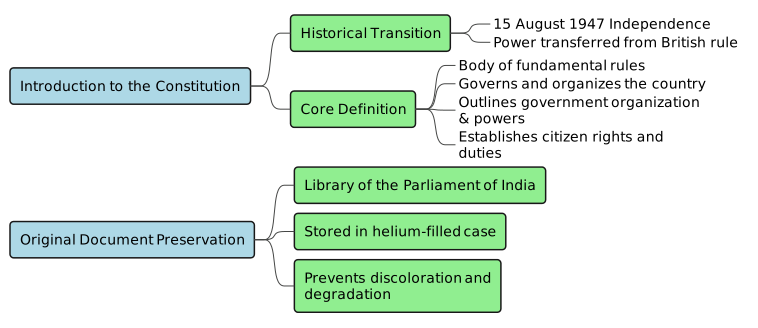
Fundamental Rules: A constitution is a comprehensive body of fundamental rules and regulations according to which a country is organized and governed.Government Structure: It defines and clarifies the organization, powers, and functions of the government.Citizen Rights & Duties: It outlines the basic rights and duties of the people living within the nation.
The Original Copy: The original physical copy of the Constitution of India, created in 1950, is carefully kept in the Library of the Parliament of India.Special Preservation: It is housed inside a special helium-filled case. This protective environment prevents discoloration and other forms of time-related degradation.
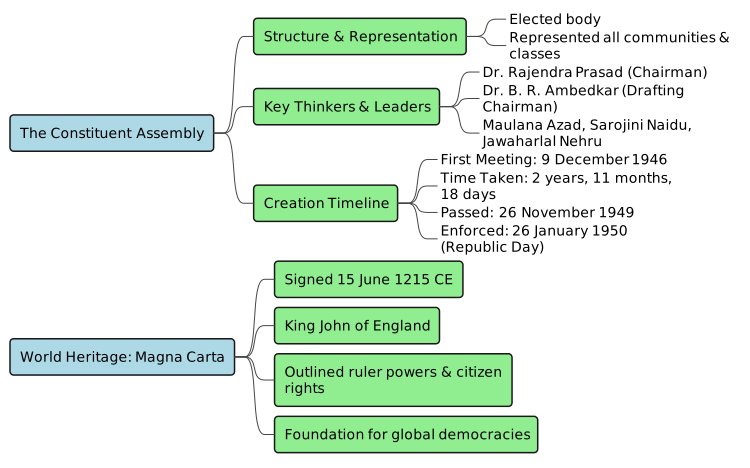
Dr. Rajendra Prasad: He served as the Chairman of the Constituent Assembly.Dr. Bhimrao Ramji Ambedkar (Babasaheb): He was the Chairman of the Drafting Committee. Known as the “Father of the Indian Constitution,” he aimed to eradicate social and economic inequalities and secure opportunities for India’s oppressed classes.Other Prominent Members: Maulana Azad, Sarojini Naidu, and Jawaharlal Nehru.
First Meeting: 9 December 1946 (addressed by Jawaharlal Nehru).Duration of Work: It took exactly 2 years, 11 months, and 18 days to complete the drafting process.Date of Passing: The Constitution was officially passed by the Assembly on 26 November 1949.Date of Enforcement: It came into force on 26 January 1950, a historic day celebrated annually as Republic Day, marking India’s status as a sovereign, democratic republic.
Medieval Origins: The concept of a written constitution has historical roots in medieval England with the Magna Carta (meaning “Great Charter”).Signing: Signed on 15 June 1215 CE by King John of England.Significance: It was the first written document in England to outline the powers of rulers and protect the rights of the ruled. Many global democracies have based features of their constitutions on the Magna Carta.
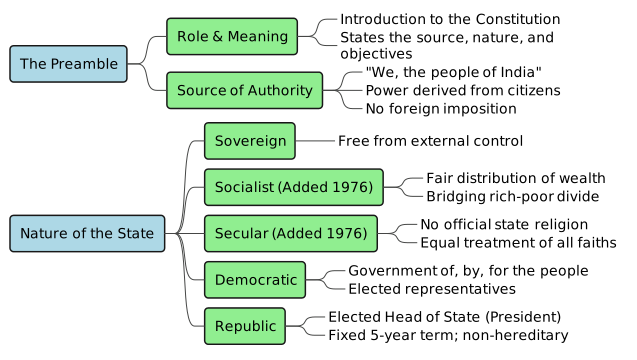
“We, the people of India”: This opening phrase indicates that the ultimate source of authority for the Constitution is the citizens of India. The government’s power is derived from its people, ensuring the Constitution is a reflection of collective local wishes and not something imposed by an external or foreign power.
Sovereign: India is a completely independent country. It is free from any external control, and no foreign power can interfere in its internal or external affairs.Socialist: Added in 1976 through the 42nd Amendment Act. It aims to ensure the fair distribution of the country’s wealth among all sections of society, providing equal opportunities to bridge the gap between the rich and the poor.Secular: Also added in 1976 through the 42nd Amendment Act. A secular state:Does not have an official or state religion.Does not discriminate against anyone based on religion.Does not favor or promote any specific religion.Guarantees everyone the freedom to profess, practice, and propagate their own faith.Democratic: India has a government “of the people, by the people, and for the people.” Citizens elect representatives through periodic elections to run and govern the country.Republic: The head of the state (the President of India) is an elected official rather than a hereditary monarch or a dictator. The President is elected for a fixed term of 5 years.
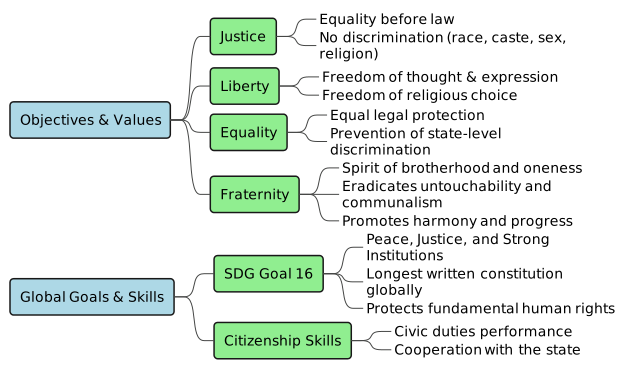
All citizens are equal in the eyes of the law.Justice cannot be denied to anyone based on their place of birth, race, caste, creed, sex, status, or religion.Every individual is guaranteed to receive what they are legally and socially due.
Every citizen enjoys fundamental rights.These include the freedom of thought, freedom of expression, and the freedom to practice and follow any religion of their choice.
All citizens are equal before the law and receive equal protection from the laws of the land.The state is prohibited from discriminating against individuals based on factors like caste, creed, race, sex, wealth, or place of birth.
Fraternity refers to a spirit of brotherhood and oneness among all sections of society.It is vital for democracy, as it helps dissolve social barriers such as untouchability and communalism.By focusing on being “one people” first, citizens of diverse groups can establish a harmonious society that progresses together.
The Longest Written Constitution: The Constitution of India holds the record for being the longest written constitution of any sovereign state in the world.Global Influence: Its framers studied and incorporated successful elements from various constitutions around the world.Goal Alignment: By upholding fundamental human rights and striving to secure justice, equality, and equity, the Constitution actively works toward the global target of building a peaceful and sustainable society with strong, fair institutions.
Cooperating actively with the government.Performing constitutional and civic duties.Promoting national harmony and unity in daily life.

Share
Explore
 Self Study
Prepared by: learnloophq@gmail.com
Chapter: 12. The Constitution And The Preamble
THE CONSTITUTION AND THE PREAMBLE
1. Introduction to the Constitution
On 15 August 1947, India gained independence from British rule, transitioning political power to the Indian people. The first major milestone for the newly independent nation was to draft a document that would establish how the country would run.
Defining the Constitution
Knowledge of India: Preserving the Heritage
2. Role of the Constituent Assembly
The Constitution of India was not drafted by a single person but by an elected body known as the Constituent Assembly. This assembly represented all communities, classes, and diverse shades of political opinion across India.
Key Members of the Assembly
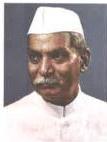
Dr. Rajendra Prasad, Chairman of the Constituent Assembly
Dr. Rajendra Prasad, Chairman of the Constituent Assembly
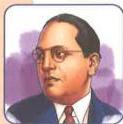
Dr. B. R. Ambedkar, Father of the Indian Constitution
Dr. B. R. Ambedkar, Father of the Indian Constitution
Timeline of the Constitution’s Creation

Jawaharlal Nehru addressing the Constituent Assembly in 1946
Jawaharlal Nehru addressing the Constituent Assembly in 1946
Historical Origins of Constitutions: The Magna Carta
3. The Preamble and the Nature of the State
The Preamble acts as an introduction to the Constitution of India. It declares the source of the Constitution’s authority, the fundamental nature of the Indian state, and its primary goals.
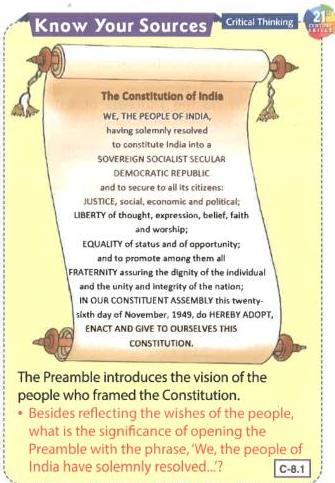
The Preamble introduces the vision of the people who framed the Constitution
The Preamble introduces the vision of the people who framed the Constitution
The Source of the Constitution
Nature of the Indian State
The Preamble defines the core characteristics of the Indian state through five key terms:

The people of India elect their representatives through democratic elections
The people of India elect their representatives through democratic elections
4. Objectives of the Constitution
The Constitution sets forth four primary values and objectives to guide the country and ensure the well-being of all its citizens:
1. Justice
2. Liberty
3. Equality
4. Fraternity
5. Global Connections and Life Skills
Sustainable Development Goal (SDG) 16: Peace, Justice, and Strong Institutions
Values and Life Skills
To help the country progress, it is vital for students to grow into responsible citizens. This involves:
6. Key Terms Glossary
Word
Definition
Constitution
A body of fundamental rules and regulations defining the organization, powers, and functions of the government as well as the rights and duties of the citizens.
Sovereign
An independent country that is not subject to any outside authority or foreign control.
Amendment
A formal change or modification made to the Constitution of India.
Socialism
A system aimed at fair distribution of the country’s wealth and providing equal opportunities to bridge the gap between the rich and the poor.
Secular State
A state that does not adopt or promote any official state religion and treats all religions equally without discrimination.
Democracy
A system of government of the people, for the people, and by the people, run through elected representatives.
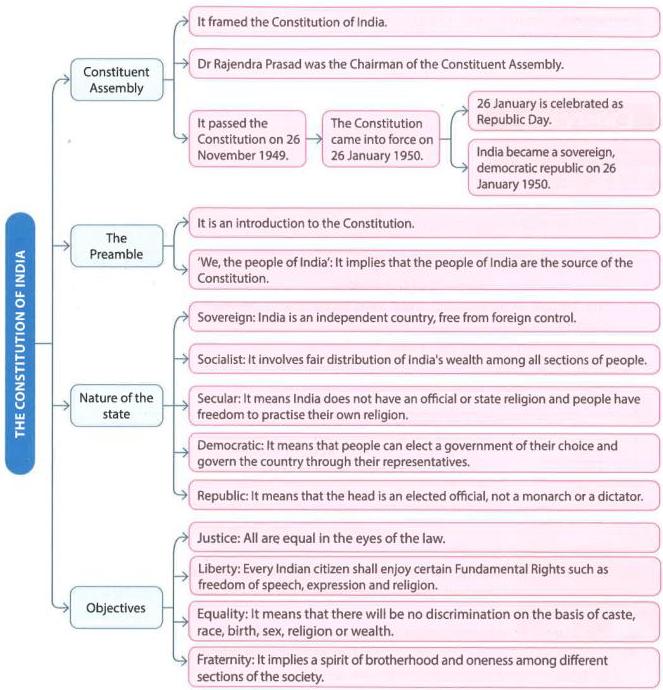
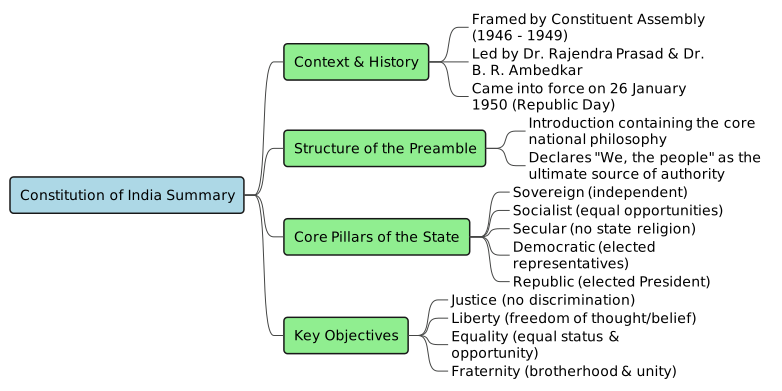
Comprehensive summary diagram of the Constitution of India
Comprehensive summary diagram of the Constitution of India
Want to print your doc?
This is not the way.
This is not the way.

Try clicking the ··· in the right corner or using a keyboard shortcut (
CtrlP
) instead.