Skip to content
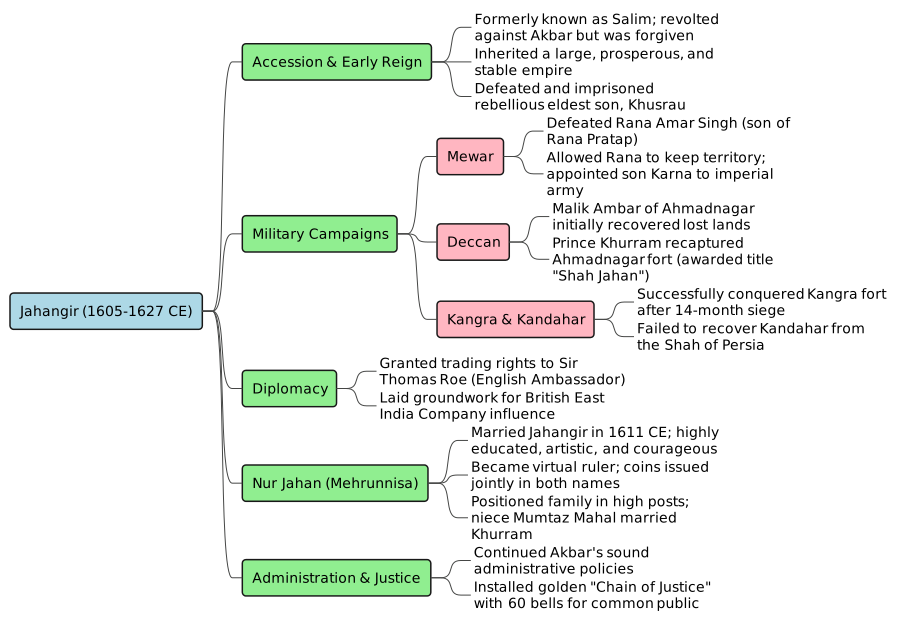
Inheritance: Jahangir inherited one of the largest, most prosperous, and best-organized kingdoms in the medieval world. The foundations laid by Akbar were strong enough to ensure a stable start to his 22-year reign, with the exception of an early rebellion by his eldest son, Khusrau, who was captured and imprisoned.Conquest of Mewar: Jahangir sent an expedition against Rana Amar Singh of Mewar (son of Rana Pratap Singh), who had refused to acknowledge Mughal overlordship. Following his defeat, Rana Amar Singh pledged loyalty. Jahangir treated him with courtesy, allowed him to retain his territory, and appointed his son, Karna, as a military commander in the imperial army. This submission established Mughal paramountcy in Rajputana.The Deccan Campaigns:Akbar had earlier captured the fort of Ahmadnagar. However, during Jahangir’s reign, Malik Ambar (the chief minister of Ahmadnagar) recovered these conquered territories.Jahangir sent an expedition under his son, Prince Khurram, who successfully recaptured the fort of Ahmadnagar. For this achievement, Khurram was honored with the title Shah Jahan (“Lord of the World”).By the end of Jahangir’s reign, Ahmadnagar reasserted its independence and remained outside Mughal control.Conquest of Kangra: After a 14-month siege, the fort of Kangra—which Akbar had failed to conquer—submitted to Jahangir.Loss of Kandahar: The Shah of Persia captured Kandahar, which Akbar had previously won. Jahangir’s efforts to recover Kandahar failed.
Personality and Talents: Beautiful, highly educated, and cultured, she wrote Persian poetry and designed new trends in silk, cotton fabrics, jewelry, and carpets. She was also physically courageous and accompanied Jahangir on hunting tours.Political Power: Nur Jahan became the virtual ruler of the Mughal Empire. Jahangir consulted her on all administrative matters, eventually leaving the government in her hands while indulging in leisure.Joint Authority: Coins were issued jointly in the names of Jahangir and Nur Jahan.Influence at Court: She used her position to appoint her father, brother, and other relatives to key administrative posts. Her niece, Mumtaz Mahal, was married to Prince Khurram (Shah Jahan).The Succession Struggle: The final years of Jahangir’s reign saw a power struggle between Nur Jahan and Shah Jahan (Jahangir’s favorite son and heir apparent). After Jahangir died in 1627 CE, Nur Jahan retired from public life. Shah Jahan was proclaimed emperor, and almost all close male rivals were executed. Though treated well, Nur Jahan lost all her court influence.
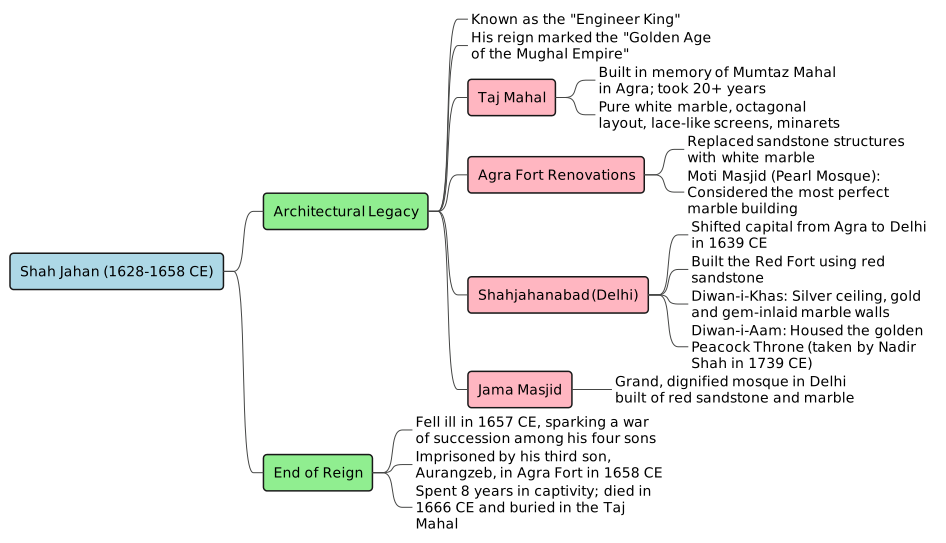
Built in memory of his beloved wife, Mumtaz Mahal, in Agra.Recognized as one of the new Seven Wonders of the World.Took more than 20 years to complete at a cost of 3 to 4 crore rupees at the time.Constructed of pure white marble, decorated with lavish semi-precious stones (pietra dura) and delicate, lace-like marble screens. It features an octagonal layout, a central dome, and four slender minarets set within a landscaped garden.Shah Jahan systematically dismantled older sandstone structures inside the Agra Fort and replaced them with white marble.Moti Masjid (Pearl Mosque): Located inside the Agra Fort, it is considered the most perfect of his buildings. It is celebrated for its simple, elegant, and refined white marble structure.In 1639 CE, Shah Jahan shifted the imperial capital from Agra to Delhi and built a new walled city named Shahjahanabad (now Old Delhi).Within this city, he built the massive Red Fort using red sandstone.Diwan-i-Khas (Hall of Private Audience): The most impressive hall inside the Red Fort, featuring a ceiling made of silver and marble walls inlaid with gold and semi-precious stones.Diwan-i-Aam (Hall of Public Audience): Housed the magnificent Peacock Throne. This golden throne took 7 years to complete, featured a canopy supported by 12 emerald pillars, and was decorated with gem-studded peacocks. It was looted and taken to Persia by Nadir Shah in 1739 CE.Located in Delhi, this is one of the largest, most dignified, and simplest mosques in India, constructed of red sandstone and white marble.
North: KashmirSouth: Karnataka (river Kaveri)West: Hindu Kush (Kabul)East: Chittagong
Ahoms: Ambitious rulers in the north-east frontier (Assam).Afghan Tribesmen: Freedom-loving groups in the north-west frontier.Jats: Farmers in the Delhi-Agra region.Bundelas: Rebels of Bundelkhand.Satnamis: A peace-loving sect of peasants, traders, and artisans.Sikhs, Rajputs, and Marathas: Provided the most dangerous and sustained challenges to his authority.
Aurangzeb annexed Bijapur in 1686 CE and Golconda in 1687 CE.Consequence: These annexations backfired. The empire became too vast and difficult to govern, and it brought the Mughals into direct, localized conflict with the Marathas.In 1689 CE, Aurangzeb captured and executed Sambhaji (Shivaji’s son and successor). The Maratha capital was occupied, and Sambhaji’s son, Shahu, was imprisoned along with his family.Sambhaji’s younger brother, Rajaram, escaped and continued the resistance. Maratha forces used highly effective guerrilla and raiding tactics to plunder Mughal territories.Upon Rajaram’s death, his brave widow, Tarabai, took over the leadership of the Maratha resistance.
For 18 years, independent Maratha chiefs continuously harassed and demoralized the Mughal forces.Aurangzeb, over 80 years old, refused to negotiate. He died in Ahmadnagar in 1707 CE as a weary, defeated man. His attempts to crush the Marathas failed completely, leaving them as a major rival power center in India.
Economic Ruin: The long campaign drained the imperial treasury and devastated the economy of the Deccan.Administrative Collapse in the North: Aurangzeb’s 25-year absence from the north led to weak administration, rampant corruption, and lawlessness.Rise of Regional Powers: Rebellious nobles grew powerful, while the Jats and Sikhs consolidated their positions.Military Mutiny: Mughal soldiers in the Deccan mutinied over unpaid wages.
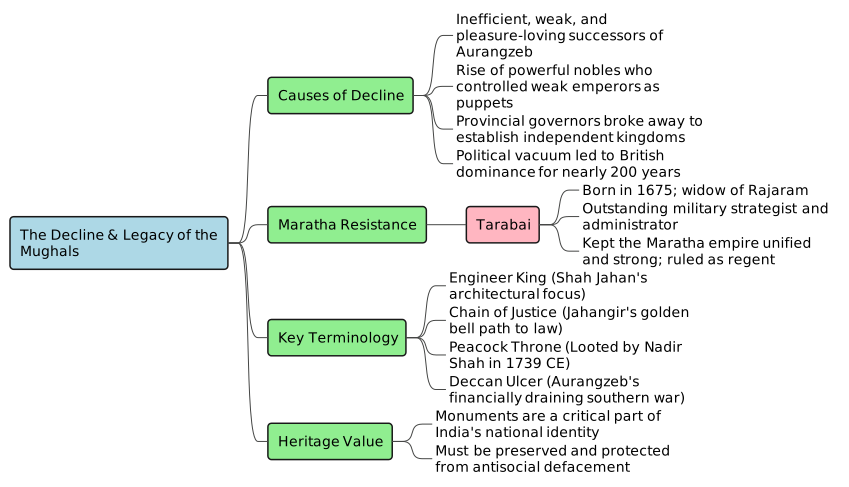
Weak Successors: Aurangzeb’s successors were weak, pleasure-loving, and inefficient.Puppet Emperors: Power shifted to ambitious court nobles who treated emperors as puppets.Breakaway Kingdoms: Provincial governors took advantage of the weak central administration in Delhi to establish independent dynasties.The British Rise: The resulting political vacuum led to fierce rivalries among local powers, eventually culminating in the rise of the British, who ruled India for nearly 200 years.

Share
Explore
 Self Study
Prepared by: learnloophq@gmail.com
Chapter: 10. Jahangir Shah Jahan And Aurangzeb
The Mughal Empire: Jahangir, Shah Jahan, and Aurangzeb
1. Emperor Jahangir (1605–1627 CE)
During the final years of Akbar’s reign, his son Salim revolted against him. Before his death in 1605 CE, Akbar forgave Salim and declared him the heir. Salim ascended the throne under the title of Jahangir (meaning “Conqueror of the World”).
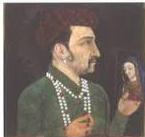
Key Achievements and Campaigns
Knowledge of India: Diplomacy and Trade
In the early 17th century, Emperor Jahangir met with Sir Thomas Roe, an English ambassador. Jahangir granted Roe trading rights, paving the way for the British East India Company’s influence in India. Roe’s detailed journals provide valuable insights into Mughal court life and diplomacy.
Nur Jahan (Mehrunnisa)
In 1611 CE, Jahangir married Nur Jahan (“Light of the World”), the widow of a Persian nobleman named Sher Afghan (the governor of Burdwan in Bengal).
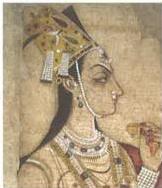
Sustainable Development Goals (SDGs) & Life Skills: Gender Equality
During Jahangir’s era, Nur Jahan acted as a prime adviser in administrative matters. This was an exceptionally rare occurrence in medieval times, demonstrating a high degree of respect and trust toward women’s leadership capabilities in Jahangir’s court.
Administration and Justice
Jahangir continued the sound administrative policies of Akbar. He was a benevolent ruler with a deep love for justice. He installed a Chain of Justice made of pure gold with 60 bells attached to it, running between the palace and the banks of the river Yamuna. Any subject seeking justice could ring the bell to get a personal hearing and resolution from the emperor.
2. Emperor Shah Jahan (1628–1658 CE)
Shah Jahan ascended the throne in 1628 CE. His reign is celebrated as the Golden Age of the Mughal Empire, characterized by immense splendor, cultural brilliance, and legendary architectural patronage. Because of his passion for building, he is known as the Engineer King.
MUGHAL ARCHITECTURAL SPLENDOR
│
┌───────────────────────────────┼───────────────────────────────┐
▼ ▼ ▼
Taj Mahal Agra Fort Changes Red Fort Delhi
(White Marble Monument) (Sandstone replaced with (New capital city of
White Marble) Shahjahanabad)
Architectural Masterpieces
The Taj Mahal
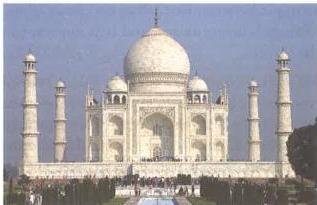
The Taj Mahal, Agra
The Taj Mahal, Agra
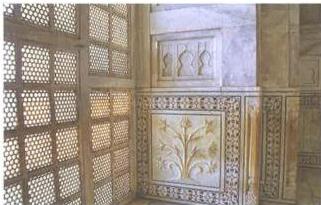
Delicate lace-like screen inside the Taj Mahal
Delicate lace-like screen inside the Taj Mahal
Agra Fort Transformations
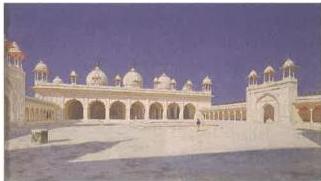
Moti Masjid, Agra Fort
Moti Masjid, Agra Fort
Shahjahanabad and the Red Fort
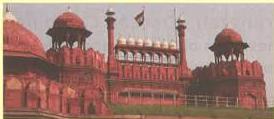
The Red Fort, Delhi
The Red Fort, Delhi
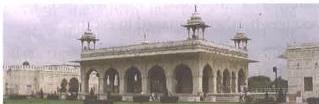
The silver ceiling of the Diwan-i-Khas, Red Fort
The silver ceiling of the Diwan-i-Khas, Red Fort
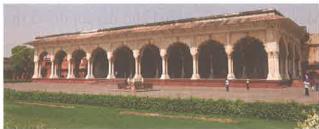
The Diwan-i-Aam, Agra Fort
The Diwan-i-Aam, Agra Fort
Jama Masjid
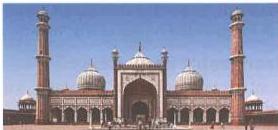
The Jama Masjid, Delhi
The Jama Masjid, Delhi
End of Shah Jahan’s Reign
In 1657 CE, Shah Jahan fell seriously ill. False rumors of his death sparked a bloody war of succession among his four sons. His third son, Aurangzeb, defeated his brothers, executed the claimants, and imprisoned Shah Jahan in the Agra Fort in 1658 CE.
Shah Jahan remained a prisoner for 8 years until his death in 1666 CE at the age of 74. He was buried next to Mumtaz Mahal inside the Taj Mahal.
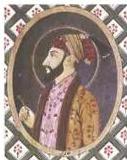
3. Emperor Aurangzeb (1658–1707 CE)
Aurangzeb, the last of the “Great Mughals,” secured the throne in 1658 CE after the war of succession. His nearly 50-year rule pushed the Mughal Empire to its maximum territorial extent, turning it into the largest single state India had ever seen.
Territorial Extent of Aurangzeb’s Empire
At its peak in 1690 CE, the empire stretched:
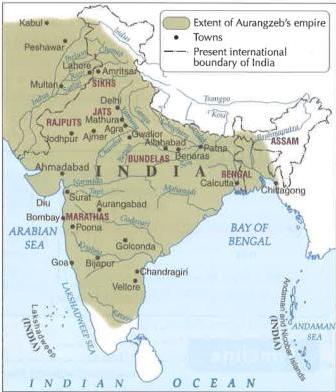
Map showing the vast extent of Aurangzeb’s Empire
Map showing the vast extent of Aurangzeb’s Empire
Two Phases of Aurangzeb’s Reign
Phase
Focus and Location
Key Events and Challenges
First Phase (First 24 Years)
Northern India
Dealt directly with northern affairs; faced internal revolts due to policy changes.
Second Phase (Last 26 Years)
Deccan (Southern India)
Marched south in 1681 CE; focused on annexing Sultanates and crushing Maratha power. Never returned to the north.
Internal Revolts and Northern Resistance
Aurangzeb’s early reign was plagued by uprisings due to the unwieldy size of the empire and a stark reversal of Akbar’s tolerant religious policies. Notably, he reimposed the jizya (tax on non-Muslims) and pilgrimage taxes on his Hindu subjects.
His authority was challenged by several groups:
The Deccan Campaigns
1. Annexation of Bijapur and Golconda
2. The Maratha War
Biography: Queen Tarabai
Born in 1675, Tarabai was a queen of the Maratha Empire and the wife of Rajaram. Following her husband’s death, she played a pivotal role in organizing the resistance against the Mughals. Famous for her outstanding military strategic skills and bravery, she personally led troops into battle and ruled as regent for her young son, keeping the Maratha resistance strong and unified.
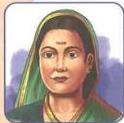
Queen Tarabai of the Maratha Empire
Queen Tarabai of the Maratha Empire
Consequences of the Deccan Campaigns (“The Deccan Ulcer”)
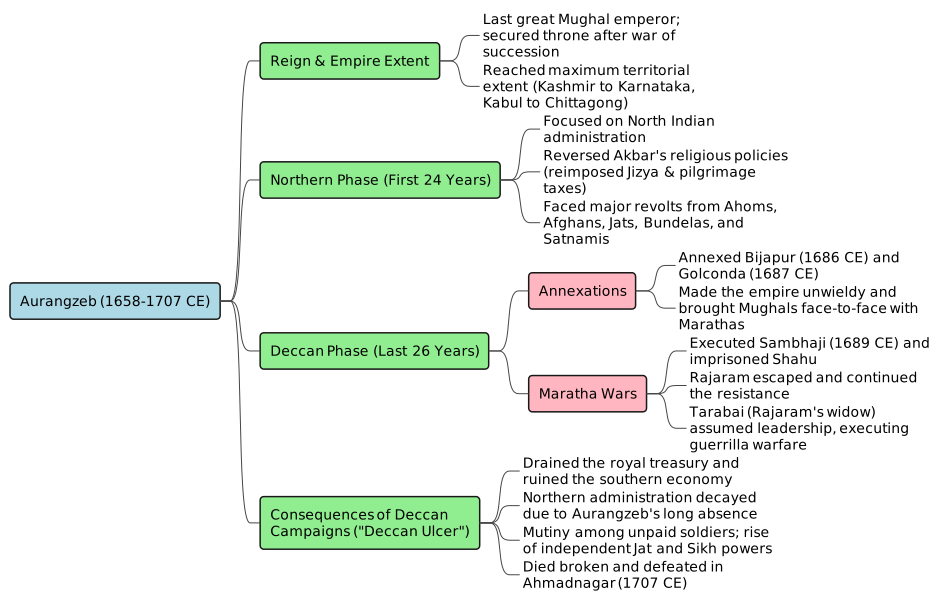
4. Decline of the Mughal Empire
Following Aurangzeb’s death in 1707 CE, the Mughal Empire rapidly decayed and disintegrated during the first half of the 18th century.
CAUSES OF THE MUGHAL EMPIRE'S COLLAPSE
│
┌────────────────────────────┼────────────────────────────┐
▼ ▼ ▼
Weak & Pleasure- Ambitious Nobles Provincial Independence
Loving Successors Acting as Governors broke away to
"Puppet Masters" create own Kingdoms
Chronological Timelines
Imperial Reigns and Capital Shifts (1550–1750 CE)
Year (approx.)
Historical Event
1605 CE
Akbar dies; Jahangir ascends the throne.
1627 CE
Jahangir dies.
1628 CE
Shah Jahan ascends the throne.
1639 CE
Shah Jahan shifts the Mughal capital from Agra to Shahjahanabad (Delhi).
1658 CE
Shah Jahan is imprisoned; Aurangzeb crowns himself emperor.
1666 CE
Shah Jahan dies in captivity inside the Agra Fort.
Key Milestones of Aurangzeb’s Reign
Year (approx.)
Historical Event
1658 CE
Aurangzeb wins the war of succession and ascends the throne.
1681 CE
Aurangzeb marches to the Deccan, beginning the second half of his reign.
1686 CE
Aurangzeb annexes the kingdom of Bijapur.
1687 CE
Aurangzeb annexes the kingdom of Golconda.
1689 CE
Sambhaji (Maratha leader) is captured and executed.
1707 CE
Aurangzeb dies in Ahmadnagar, signaling the decline of the empire.
Values and Life Skills: Protecting National Heritage
Historical monuments are symbols of our collective national heritage and belong to all citizens of India. Defacing or disfiguring these structures harms our legacy. As responsible citizens, we must work to protect, respect, and preserve these architectural marvels for future generations.
5. Important Terminology
Term
Definition
Shah Jahan
Meaning “Lord of the World”; the title given to Prince Khurram, son of Jahangir.
Nur Jahan
Meaning “Light of the World”; the title given to Mehrunnisa, queen of Jahangir.
Chain of Justice
A solid gold chain with 60 bells installed by Jahangir between his palace and the banks of the Yamuna River, allowing any subject to directly seek imperial justice.
Engineer King
The moniker given to Shah Jahan due to his legendary patronage and love of grand architecture.
Taj Mahal
The world-famous white marble mausoleum built in Agra by Shah Jahan in memory of his wife, Mumtaz Mahal.
Moti Masjid
Also known as the “Pearl Mosque”; a highly refined white marble mosque built by Shah Jahan inside the Agra Fort.
Shahjahanabad
The capital city built by Shah Jahan in Delhi, today known as Old Delhi.
Red Fort
The massive red sandstone fortress built by Shah Jahan within his capital city of Shahjahanabad.
Peacock Throne
The golden, jewel-encrusted throne of Shah Jahan located in the Diwan-i-Aam of the Red Fort. It featured 12 emerald pillars and gem-studded peacocks, later plundered by Nadir Shah in 1739 CE.
Jama Masjid
A massive and majestic congregational mosque built of red sandstone and marble in Delhi by Shah Jahan.
Jizya
A tax levied on non-Muslim subjects, abolished by Akbar but controversially reimposed by Aurangzeb.
Deccan Ulcer
A term used by historians to describe Aurangzeb’s ruinous military campaign in Southern India, which drained the empire’s resources and led to its collapse.
Want to print your doc?
This is not the way.
This is not the way.

Try clicking the ··· in the right corner or using a keyboard shortcut (
CtrlP
) instead.