Skip to content
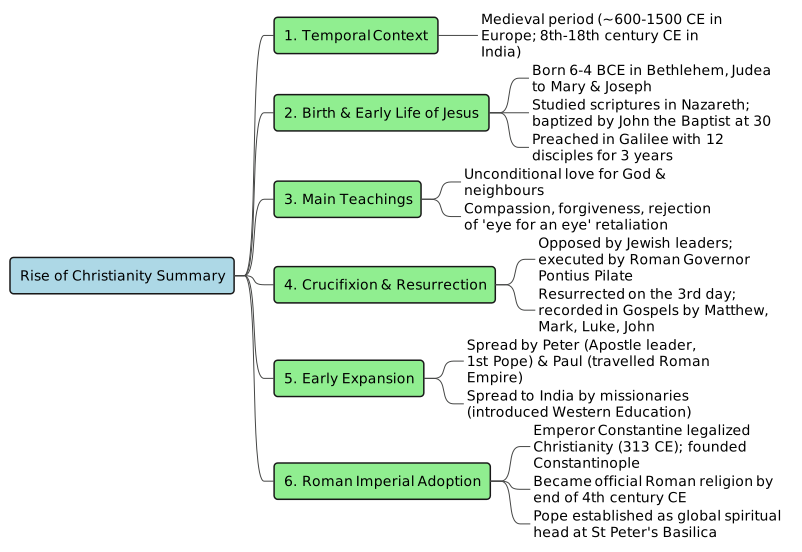
Temporal Boundaries: The transition from the Ancient to the Medieval period was not abrupt or sudden; it occurred gradually over a long period.Regional Differences: The Medieval Period began and ended at different times in different parts of the world.
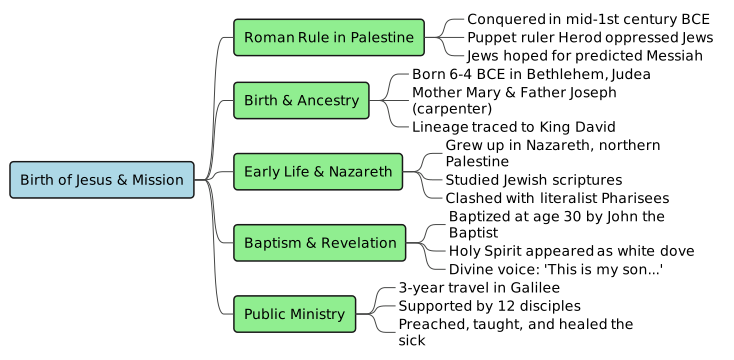
Roman Conquest of Palestine: In the middle of the 1st century BCE, the Roman Empire conquered Palestine, the homeland of the Jews.The Rule of Herod: The Romans installed Herod as a puppet ruler. Under Herod’s administration, the Jews experienced grave oppression and injustice. They resented their loss of freedom.Hope for a Messiah: Drawing from predictions by Prophets in the Old Testament, the Jews kept faith that a Messiah (Christ) would emerge to liberate them from foreign bondage and establish the kingdom of God in Palestine. Herod died in 4 BCE.Birth of Jesus: Around 6–4 BCE, Jesus was born in the small village of Bethlehem in Judea. He was believed to be the son of God.Mother: MaryFather: Joseph, a poor carpenter who was a descendant of King David (Israel’s famous king who freed Israel from foreign rule 1,000 years prior).Youth in Nazareth: Jesus grew up in Nazareth (located in northern Palestine). While studying Jewish scriptures there, he realized that certain Jewish religious groups, such as the Pharisees, practiced traditions that violated the original Law of Moses.Baptism: When Jesus was about 30 years old, he was baptized by his cousin, John the Baptist.The Legend: John the Baptist used to preach and baptize people in water. When Jesus asked John to baptize him, John hesitated, questioning how a regular person could baptize the Saviour of the world. After Jesus insisted, John baptized him. As Jesus emerged from the water, the sky opened, the Holy Spirit descended like a white dove on his shoulder, and a voice from heaven said: “This is my son, love him and I am pleased with him.”The Mission: This divine revelation convinced Jesus of his mission: to free humanity from the bondage of evil and guide them on a path where good triumphs over evil. He gathered a band of twelve disciples and spent 3 years travelling across Galilee, preaching, teaching, and healing the sick.
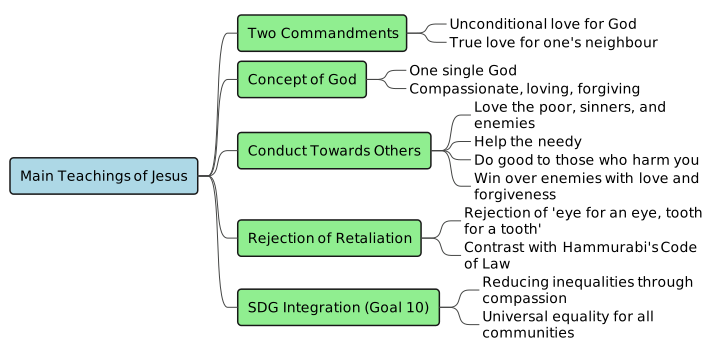
The Two Core Commandments:Unconditional love for God.True love for one’s neighbour (loving neighbours as much as oneself).The Nature of God: Jesus taught that there is only one God who is compassionate, loving, and forgiving. Humans, as children of God, should mould themselves in God’s image.Universal Love and Forgiveness:Help the needy and do good to those who harm you.Love and forgive all people, including the poor, sinners, and enemies.Since God loves and forgives sinners, humans must do the same.Rejection of Retaliation: Jesus completely rejected the ancient principle of “an eye for an eye and a tooth for a tooth” (historically seen in Mesopotamian legal systems like Hammurabi’s Code of Law). He advocated winning enemies over with love and forgiveness instead.
Sustainable Development Goal (SDG) 10 (Reduced Inequalities): Christian values of compassion, equality, and helping the poor are direct tools to reduce inequalities within and between communities, promoting a more equitable society.Sympathy and Peace: These principles teach humanity to show deep sympathy toward those who are suffering (e.g., victims of serious diseases), to live in peace, and to resolve conflicts through love.
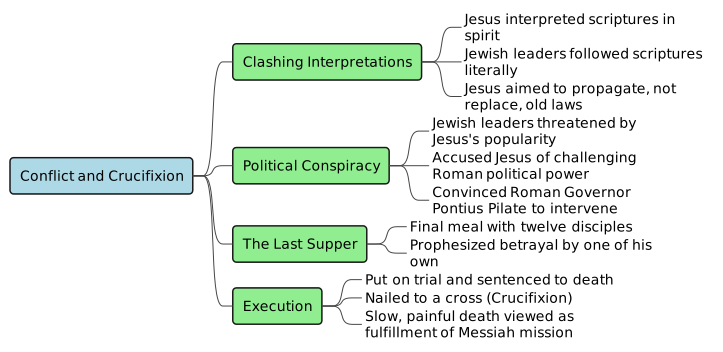
Clash with Jewish Leaders: Jesus’s spiritual and compassionate interpretation of Jewish laws clashed with local Jewish religious leaders, who followed scriptures literally rather than in spirit. Jesus did not claim his teachings were original; his goal was to propagate existing laws through a deeper spiritual lens.Hostility of Leaders: Jesus’s strength of character, wisdom, compassion, simplicity, and rising popularity attracted massive crowds, which threatened the Jewish religious establishment.The Roman Intervention: The hostile Jewish leaders convinced the Roman governor, Pontius Pilate, that Jesus was a threat to Roman political and imperial authority.The Last Supper: Before his arrest, Jesus shared a final meal with his twelve disciples. During this dinner, he announced that one of them was going to betray him, causing shock and distress among them.Trial and Crucifixion: Jesus was put on trial, sentenced to death, and nailed to a cross. He suffered a slow and painful death, dying firm in the belief that through his suffering, he fulfilled his mission as the Messiah.
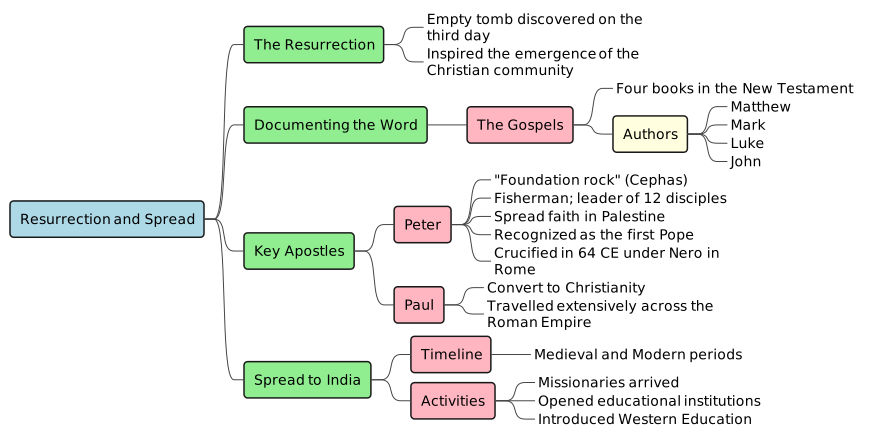
The Resurrection: After his death, Jesus’s body was placed in a sealed tomb. On the third day, his disciples found the tomb empty. Believing Jesus had been resurrected (returned to life), his followers established a new religious community: the Christian community.The Gospels: The details of Jesus’s life and teachings were recorded in the Gospels (the first four books of the New Testament) by four of his disciples: Matthew, Mark, Luke, and John.The Spreaders of Christianity:Peter (St Peter the Apostle):Known as the “foundation rock” of Christianity.A fisherman whom Jesus named Cephas (meaning rock).Recognized as the leader of the twelve disciples and, by the Roman Catholic Church, as the first Pope.Actively spread Christianity within Palestine.Crucified in Rome in 64 CE during Emperor Nero’s rule.Paul:A convert to Christianity who became an enthusiastic and powerful exponent of the faith.Travelled extensively throughout the Roman Empire, setting the foundation for Christianity to transform into a global religion.Spread of Christianity in India:Christianity spread extensively in India during the Medieval and Modern periods with the arrival of Christian missionaries.These missionaries opened educational institutions and introduced Western Education across the country.
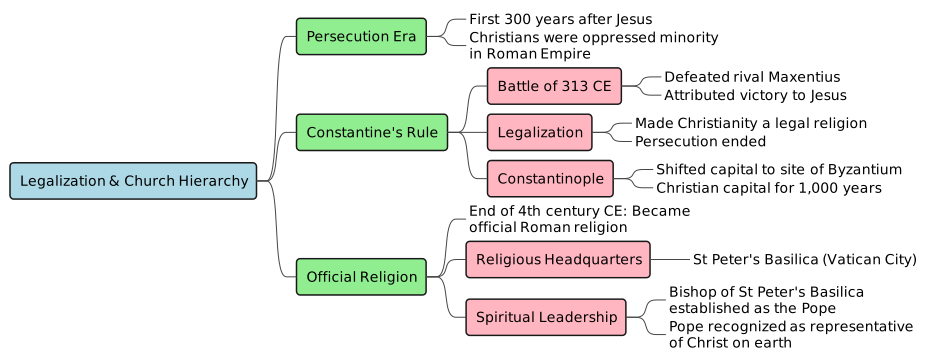
The Era of Persecution: For nearly 300 years after Jesus’s death, Christians remained a religious minority inside the Roman Empire. They faced severe oppression and persecution by their Roman imperial masters.Emperor Constantine’s Turning Point:In 313 CE, the Roman Emperor Constantine fought a major battle against his rival, Maxentius.Constantine attributed his subsequent victory to the divine inspiration of Jesus and declared himself a Christian.He issued an edict making Christianity a legal religion, officially ending centuries of Christian persecution.Shifting of the Capital: After establishing himself as the undisputed ruler of a unified Roman Empire, Constantine shifted the capital from Rome to Constantinople (built on the site of the ancient city of Byzantium). It would serve as the Christian capital for 1,000 years.Adoption as the Official Religion: Towards the end of the 4th century CE, Christianity became the official religion of the Roman Empire.Establishment of St Peter’s Basilica: St Peter’s Basilica (located in today’s Vatican City) was designated as the religious headquarters of the Christian world.The Pope: The Bishop of St Peter’s Basilica, known as the Pope, became the spiritual head of all Christians worldwide and was recognized as the representative of Christ on earth.

Share
Explore
 Self Study
Prepared by: learnloophq@gmail.com
Chapter: 01. Rise Of Christianity
Rise of Christianity: Comprehensive Study Notes
Section 1: The Medieval Period
The word medieval is derived from a Latin word meaning time in the middle. To understand historical transformations, history is generally divided into three major periods: the Ancient (or Early) Period, the Medieval (or Middle) Period, and the Modern Period.
Comparison of India and Europe in the Medieval Period
Region
Timeline
Key Phases & Subdivisions
Europe
Roughly from 600 CE to 1500 CE
Not further subdivided in this text.
India
Roughly from the 8th century to the mid-18th century CE
Early Medieval Period (8th–13th century CE)Later Medieval Period (13th–mid-18th century CE):• Delhi Sultanate phase (1200–1526 CE)• Mughal dynasty phase (1526–mid-18th century CE)

Section 2: Historical Context and Birth of Jesus
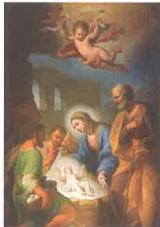
The Nativity (The Birth of Jesus), depicted on a tapestry in the Vatican Museum.
The Nativity (The Birth of Jesus), depicted on a tapestry in the Vatican Museum.
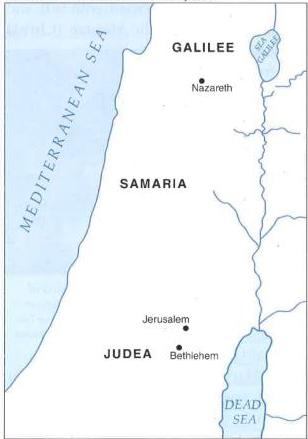
Palestine during the time of Jesus, featuring Galilee, Samaria, and Judea.
Palestine during the time of Jesus, featuring Galilee, Samaria, and Judea.
Section 3: Teachings of Jesus & Ethical Code of Conduct
The teachings of Jesus were simple, direct, and revolutionary. He introduced a new code of conduct:
Modern Application and SDG Alignment
Section 4: Confrontation, Trial, and Crucifixion
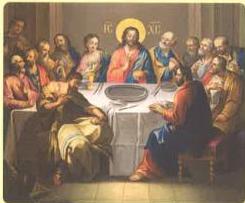
The Last Supper, showing Jesus Christ at the center with his disciples.
The Last Supper, showing Jesus Christ at the center with his disciples.
The Crucifixion of Jesus Christ.
The Crucifixion of Jesus Christ.
Section 5: Resurrection, the Apostles, and Global Spread
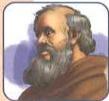
St Peter the Apostle.
St Peter the Apostle.
Section 6: Legalization, Constantine, and Church Hierarchy
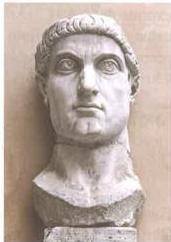
Statue of Emperor Constantine, who made Christianity a legal religion.
Statue of Emperor Constantine, who made Christianity a legal religion.
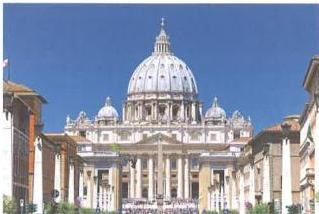
St Peter’s Basilica, Vatican City.
St Peter’s Basilica, Vatican City.
Timeline of Key Events
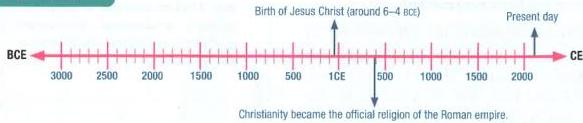
Timeline spanning from BCE to CE showing the Birth of Jesus, Christianity becoming the official religion of the Roman empire, and the present day.
Timeline spanning from BCE to CE showing the Birth of Jesus, Christianity becoming the official religion of the Roman empire, and the present day.
Section 7: Key Vocabulary Glossary
Term
Definition
Medieval
Derived from a Latin word meaning ‘time in the middle’; refers to the historic period between the Ancient and Modern periods.
Messiah
A promised deliverer of the Jews; a liberator of an oppressed people or country.
Christ
The Messiah; the specific title given to Jesus.
Old Testament
The first major part of the Christian Bible, traditionally divided into law, history, poetry (or wisdom books), and prophecy.
Baptism
A Christian rite of sprinkling water on a person’s forehead or immersing them in water, symbolizing purification and admission into the Christian church.
Resurrected
Returned to life after death.
Gospels
The first four books of the New Testament (the second part of the Bible) written by Matthew, Mark, Luke, and John, recording the life and teachings of Jesus Christ.
Section 8: Overall Summary
The flowchart below summarizes the historical path from the Roman conquest of Palestine to the rise of Christianity as a legal and world religion.
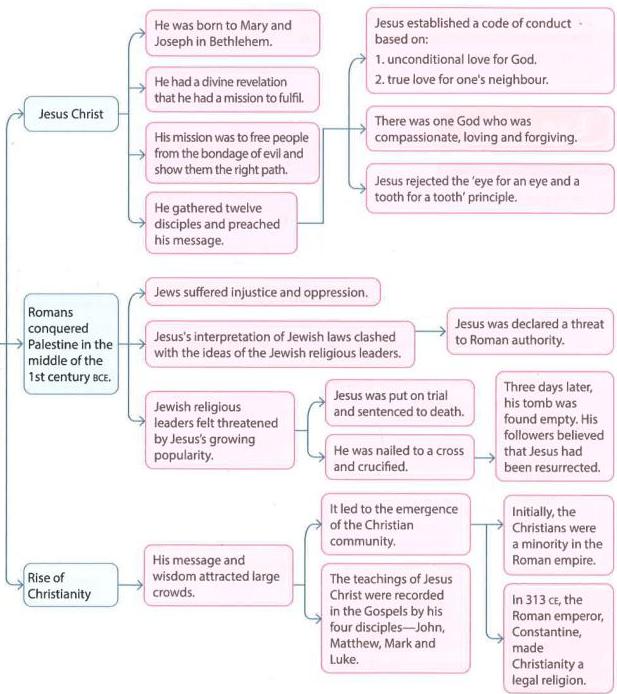
Summary Flowchart of Jesus Christ, Roman conquest, and the Rise of Christianity.
Summary Flowchart of Jesus Christ, Roman conquest, and the Rise of Christianity.
Want to print your doc?
This is not the way.
This is not the way.

Try clicking the ··· in the right corner or using a keyboard shortcut (
CtrlP
) instead.