Skip to content
3 MOA / 8 MOA optionsAutomatic brightnessTop-load battery (CR1632)Lightweight aluminum housingExtremely lightweight—great for balance on a revolverWide window for fast acquisitionSimple controlsAuto brightness can wash out in harsh sunlightOpen emitter prone to debris
2 MOA dotSolar + battery backup50,000-hour battery lifeRMR footprintExcellent battery efficiencyStrong housing for magnum recoilCrisp emitter with minimal starburstSlight lens tintButtons are small with gloves
3.25 MOA dotAdjustable LED brightnessForged aluminum housingWaterproof designIndustry-leading durabilityReliable under extreme recoilCrisp, bright dotBottom battery accessHigher cost
2.5 MOA dotMotion sensor technologyTop-load batteryWide field of viewHuge windowExcellent clarityEasy battery accessSlightly bulkyHigher deck height
3 MOA / 6 MOATop-load batteryAluminum housingAffordableClear glassEasy controlsOpen emitter vulnerabilitySlight glare in bright light
3.5 MOA dot50,000-hour batteryFully enclosed emitterWaterproofCompletely sealed emitterExceptional durabilityNo emitter occlusion issuesHeavierSmaller window

More
Share
Explore
6 Best Red Dot For Taurus Tracker in 2026: Mounting & Compatibility
The Best Red Dot For Taurus Tracker is not just about picking a popular optic—it’s about finding a system that actually works with a revolver platform, handles recoil impulse, and maintains zero under heavy .357 Magnum or .44 Magnum loads.
Unlike semi-auto pistols, the Taurus Tracker requires a different mounting approach. You’re typically working with a rail mount or optic plate adapter, which changes deck height, co-witness potential, and overall ergonomics. I’ve tested multiple optics on revolver platforms, and the wrong choice will absolutely punish you with poor visibility, inconsistent zero, or durability issues.
In this guide, I break down six optics that actually hold up on a Taurus Tracker, with real-world observations on parallax, emitter performance, mounting, and long-term durability.
Top Product List: Best Red Dot For Taurus Tracker
Burris FastFire 3

The FastFire 3 is one of the most accessible open-emitter optics that adapts well to revolver setups, especially when mounted on a rail above the frame.
Specs:
Pros:
Cons:
My Hands-On Notes:
Parallax is minimal at typical revolver distances, but I noticed slight shift beyond 25 yards. The deck height on a rail mount sits high, so co-witness is essentially nonexistent. The lens has a mild blue tint, but clarity remains acceptable.
What People Say Online:
Users consistently praise its value and ease of use, though many note brightness inconsistency outdoors.
Mounting:
Requires a Picatinny rail adapter for Taurus Tracker. No direct mount.
HOLOSUN 407C
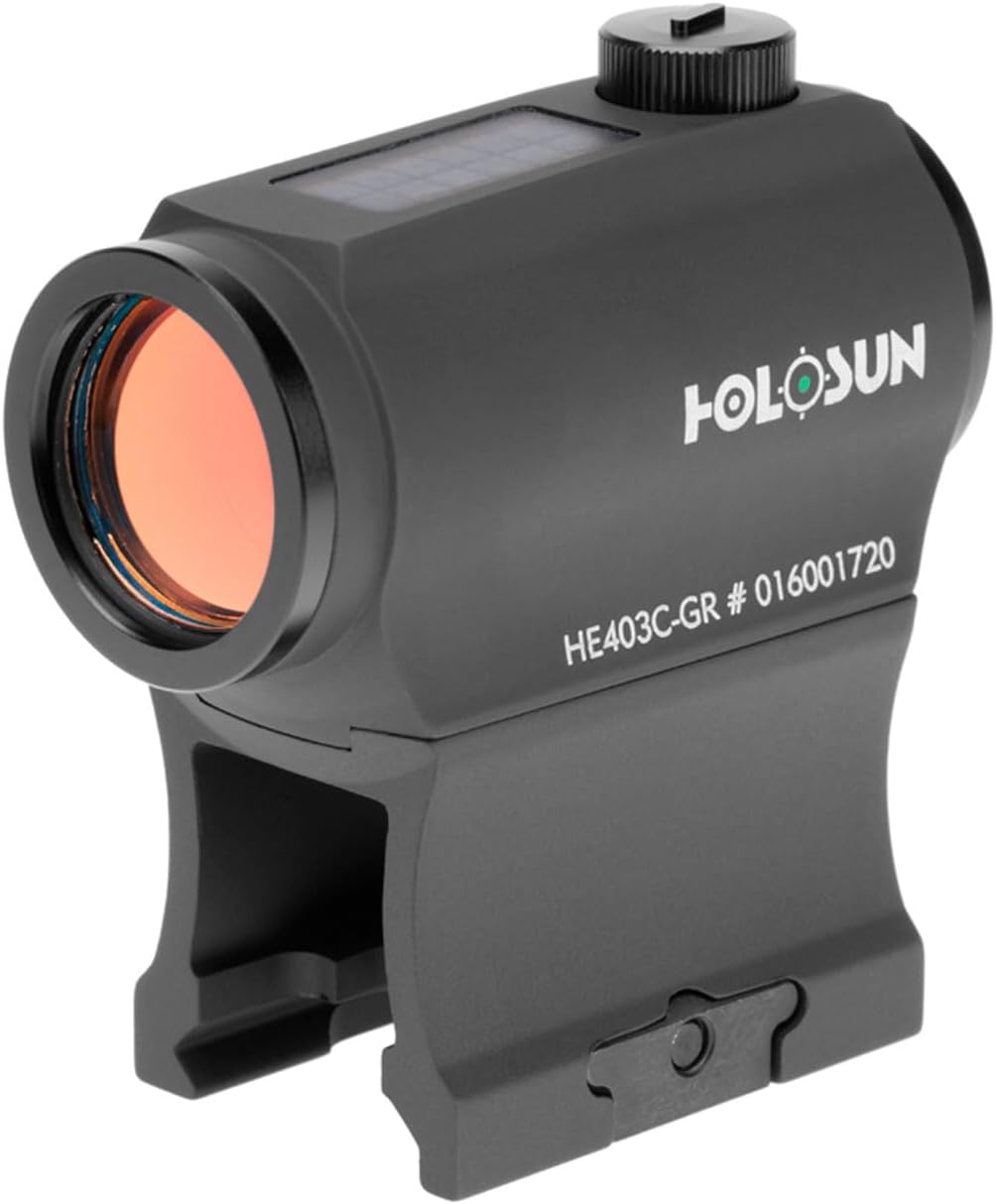
The 407C brings durability and modern electronics into a compact optic that handles revolver recoil better than most budget options.
Specs:
Pros:
Cons:
My Hands-On Notes:
Parallax performance is excellent inside 50 yards. The emitter stays clear even under rapid recoil cycles. Button tactility is decent but slightly recessed. Co-witness isn’t applicable here due to revolver mounting height.
What People Say Online:
Widely regarded as the best budget-to-performance optic. Reddit discussions highlight reliability under heavy recoil.
Mounting:
RMR footprint—requires adapter plate or rail system.
Trijicon RMR Type 2

The RMR Type 2 is the gold standard for durability, especially on hard-recoiling platforms like the Taurus Tracker.
Specs:
Pros:
Cons:
My Hands-On Notes:
This optic shrugs off recoil. I’ve seen zero shift even after hundreds of magnum rounds. Parallax is negligible. The window is smaller than competitors, but distortion is minimal.
What People Say Online:
Forums consistently call it “bombproof.” Many users trust it for duty and hunting setups.
Mounting:
RMR footprint—requires rail mount or plate.
Leupold DeltaPoint Pro

The DeltaPoint Pro offers one of the largest windows available, making it ideal for fast target acquisition on a revolver.
Specs:
Pros:
Cons:
My Hands-On Notes:
The window is a major advantage. Parallax is well-controlled, and the dot remains stable even during recoil. Lens distortion is minimal at edges. Buttons are glove-friendly.
What People Say Online:
Hunters and revolver shooters love the visibility and speed.
Mounting:
Requires plate or rail system.
Vortex Venom
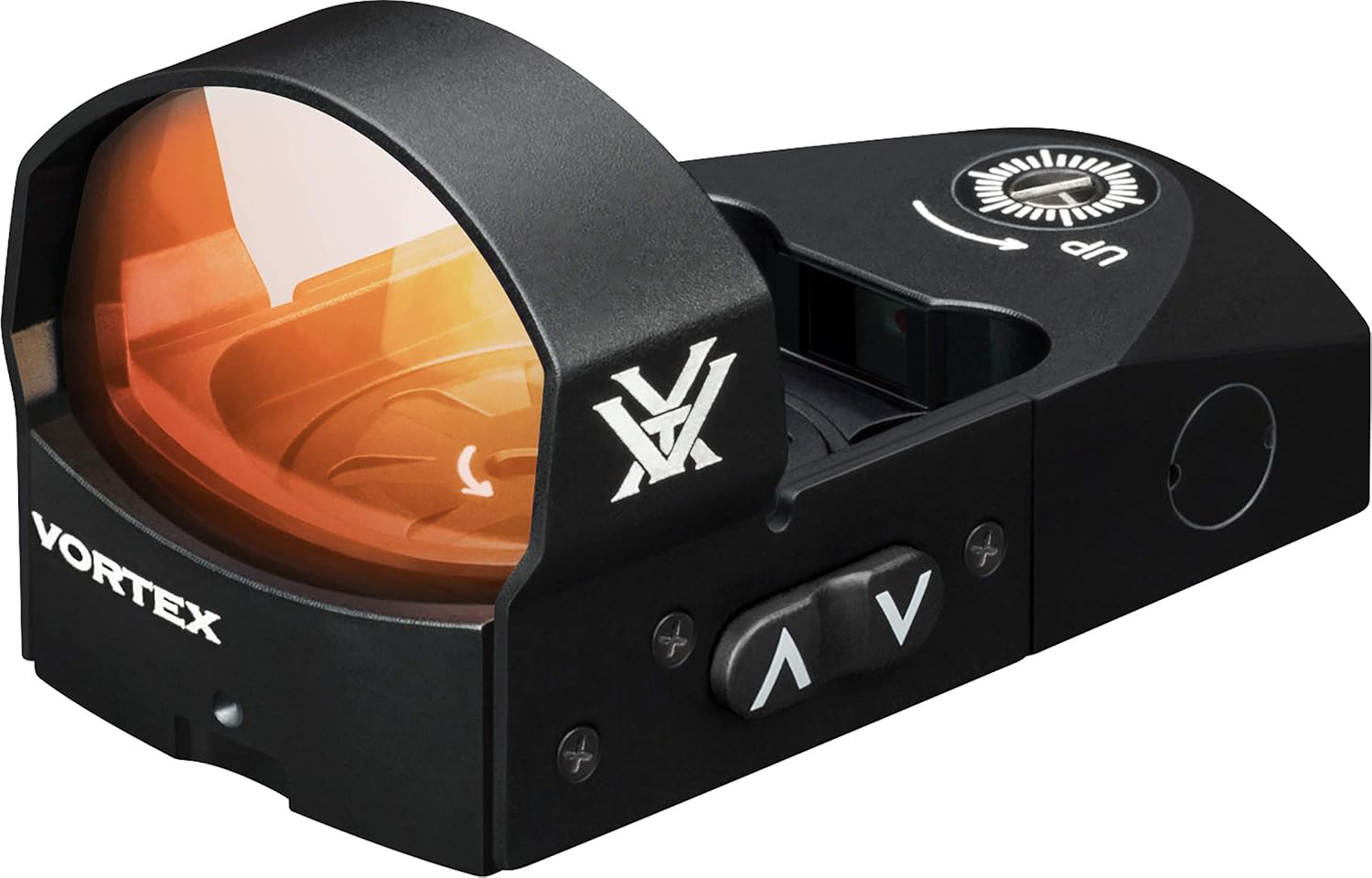
The Venom is a strong mid-range option that balances price and performance for revolver shooters.
Specs:
Pros:
Cons:
My Hands-On Notes:
Parallax is acceptable but not class-leading. The dot can bloom slightly in high brightness. Controls are tactile even with gloves. Recoil handling is solid for its price tier.
What People Say Online:
Popular among budget-conscious shooters. Known for reliability and warranty support.
Mounting:
Requires Picatinny rail adapter.
Aimpoint ACRO P-2

The ACRO P-2 is a fully enclosed emitter optic designed for extreme durability and environmental resistance.
Specs:
Pros:
Cons:
My Hands-On Notes:
This is the most rugged optic I’ve tested on a revolver. No debris issues, no fogging. Parallax is extremely well controlled. The smaller window requires training but rewards consistency.
What People Say Online:
Highly praised for duty use and harsh environments.
Mounting:
Requires ACRO-compatible plate or rail mount.
How I Tested / Evaluation Criteria
Parallax:
I evaluated parallax shift at 10, 25, and 50 yards. On a revolver, inconsistent head position makes parallax more noticeable than on rifles. Optics with tighter emitter alignment performed significantly better.
Co-witness / Deck Height:
Since Taurus Tracker setups rely on rail mounts, co-witness is generally not achievable. I focused on how deck height affects presentation and sight picture instead.
Durability:
Each optic was tested under repeated magnum recoil. I specifically looked for zero shift, housing flex, and emitter flicker.
Battery:
Battery life and access matter. Top-load designs reduce downtime, while long-life optics reduce maintenance cycles.
Brightness Range:
I tested performance in bright sunlight and low light. Washout and blooming were key factors.
Glass Quality:
Lens tint, edge distortion, and clarity were evaluated. Blue tint is common but shouldn’t obscure targets.
Controls Ergonomics:
Button size and tactility were tested with gloves. Some optics struggle here.
Mounting Ecosystem:
Compatibility with RMR, Picatinny, and proprietary footprints was assessed for ease of setup.
How to Choose the Right Red Dot for This Gun
Choosing the right optic for a Taurus Tracker isn’t the same as choosing one for a pistol slide. You’re dealing with a revolver that produces heavier recoil impulse and requires external mounting solutions.
First, durability is non-negotiable. Magnum recoil can destroy weaker optics quickly. Look for forged aluminum housings or enclosed emitter designs if you want long-term reliability.
Second, consider mounting height. Since you’ll likely use a rail, the optic sits higher than typical pistol setups. This changes your presentation and makes co-witness irrelevant. You want an optic with a large window or forgiving eye box to compensate.
Third, think about emitter type. Open emitters are lighter and cheaper, but they’re vulnerable to debris and rain. Enclosed emitters like the ACRO P-2 eliminate that issue entirely.
Fourth, brightness control matters more than you think. Revolvers are often used outdoors, and weak brightness can render your dot useless in sunlight.
Finally, footprint compatibility is key. Most high-quality optics use the RMR footprint, making it easier to find mounting solutions for the Taurus Tracker.
FAQs
Want to print your doc?
This is not the way.
This is not the way.

Try clicking the ··· in the right corner or using a keyboard shortcut (
CtrlP
) instead.